The annual Grammy Awards have rightfully earned their reputation as music’s biggest night. From legendary performances to powerful presentations, the show honors the leading artists in music, both past and present. Watching at home, the experience feels perfectly packaged, with striking camera angles, carefully crafted visuals, and perfectly timed commercial breaks.
But experiencing the Grammys in person offers a very different perspective. Honoring my New Year’s resolution to “do more side quests,” I applied on a whim to be a seat filler at the awards show and was shocked to be accepted. The experience was as exciting as you’d expect, but it also resonated on many levels as a marketing professional.
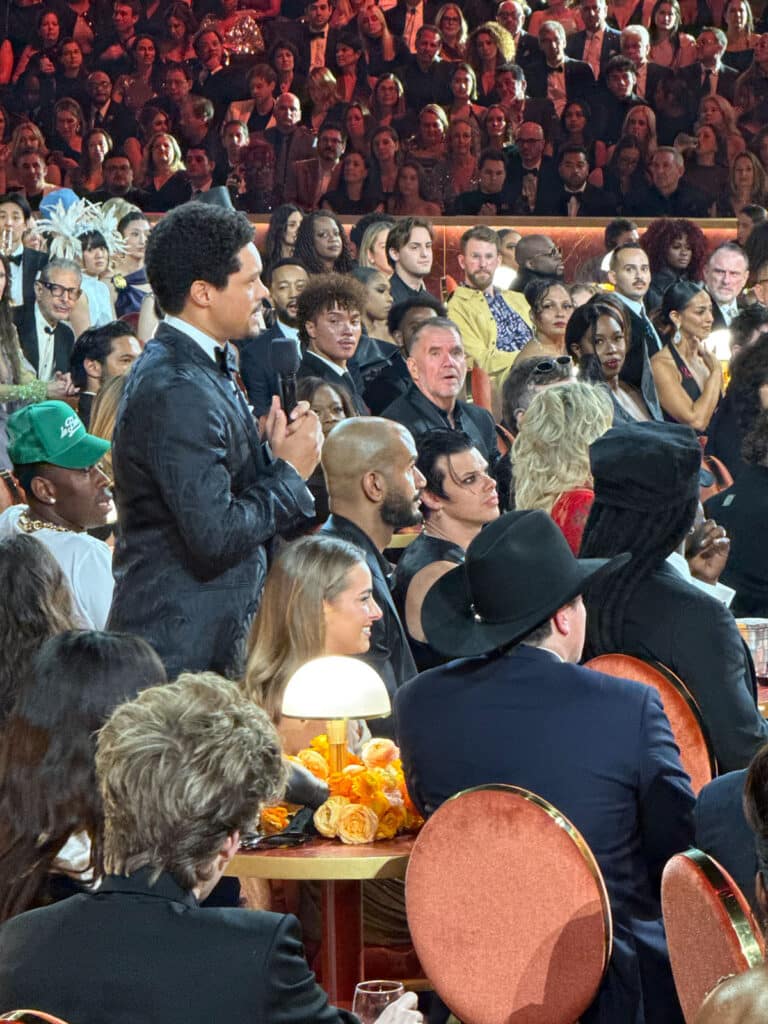
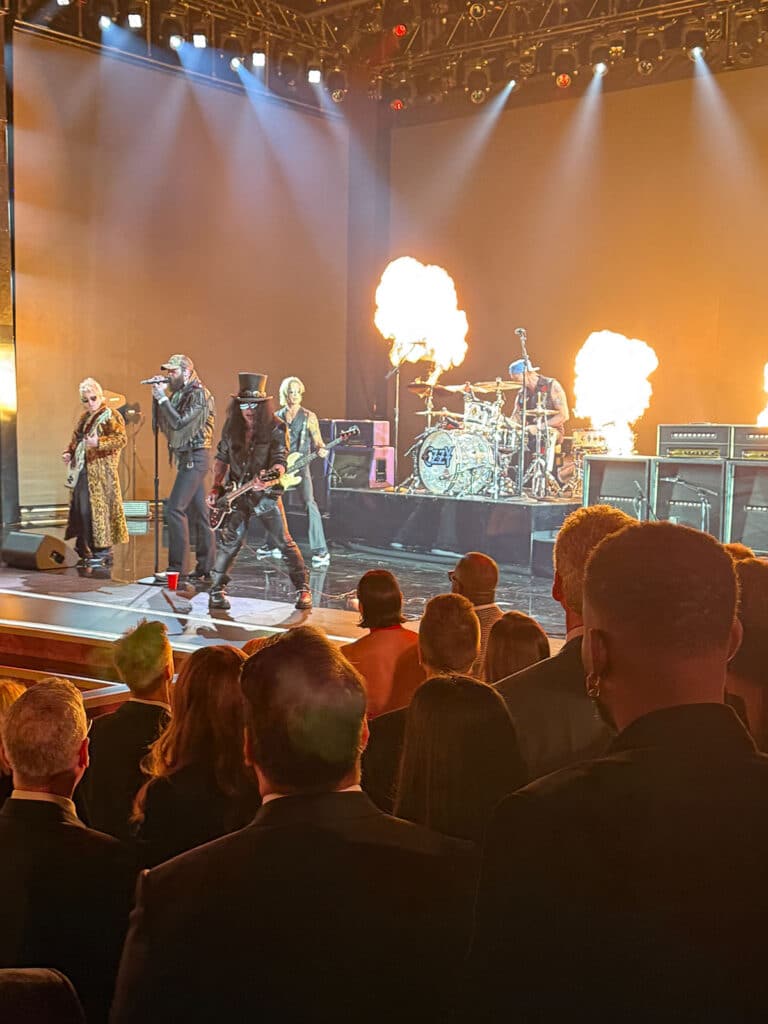
From a front-row seat at the 2026 Grammy Awards (not literally, but stunningly close!), the experience illuminated the pauses, pivots, unscripted reactions, and real-time problem-solving. It raises an important question for brands everywhere: How do you show up authentically while still protecting reputation in moments you can’t fully control?
As the world reacts to this year’s unexpected wins and viral moments, I’m reflecting on what brands can learn from my behind-the-scenes experience. Many of the defining moments of the night mirrored themes explored in our 2026 M.Cast™ Trends Report, where we identified authenticity, trust, and community as key forces shaping consumer connection.
Here’s how those trends showed up on music’s biggest stage and what brands can take away.
Perfectly Imperfect: Cher’s Light‑Hearted Flub
Cher is a cultural legend and no stranger to the stage. Yet her Record of the Year mix-up, from walking out early to misreading the announcement, became one of the night’s memorable moments. For those watching the teleprompter in real time, the confusion was understandable.
What resonated wasn’t the mistake but the response.
The host’s quick redirect, the winner’s gracious reaction, and Cher’s recovery transformed a potential misstep into a charming, human moment. Perfection is no longer the standard. Responsiveness is.
Audiences connect most with what feels real. Amid planned speeches and polished presentations, spontaneous reactions signal relatability and remind people you’re human, too. Acknowledging imperfection, and demonstrating the ability to adapt, is often more powerful than pretending flaws don’t exist.
Verified or Vulnerable: Justin Bieber’s Stripped‑Down Performance
In an era where distinguishing between what’s real and what’s manufactured feels increasingly difficult, Justin Bieber’s stripped-down performance felt like a reset, both figuratively and literally. Wearing only satin lavender boxers from his new clothing line, Skylrk, he turned vulnerability into visibility, generating immediate buzz while underscoring that nothing about the moment was hidden.
Real-time looping, raw vocals, and candid crowd reactions created an unmistakable sense of authenticity.
The message was subtle but clear: Beneath the spectacle, the talent is real.
This moment echoed a broader shift we identified in M.Cast. Audiences aren’t rejecting innovation, AI, or production value, but they are asking for clarity and proof. As organizations integrate automation and emerging technology, transparency has become a critical trust signal.
The opportunity for brands is balance. Establish guardrails that protect integrity and brand safety, while still leaving room for vulnerability and real human expression. When people believe what they’re seeing, trust follows.
Communities in Command: Bad Bunny’s Historic Win
One of the defining themes of this year’s Grammys was community as an undeniable force. That was made clear when Bad Bunny made history, winning Album of the Year as the first Latin artist and the first entirely Spanish-language album to do so.
His win underscored the societal and economic influence of Hispanic audiences while demonstrating the power of deeply rooted community ecosystems. Not only do brand communities generate engagement, they also drive advocacy, loyalty, and long-term value.
Bad Bunny’s decision to accept and dedicate his award in Spanish was intentional and symbolic. It stated that this moment belongs to the people who helped build it.
For brands, the takeaway is to invest in the communities that invest in you. When audiences feel seen and prioritized, individual moments of support can become category-defining wins.
The Real Winners
As brands navigate an increasingly curated world, the moments that matter most are the ones that feel unmistakably real. From managed imperfection to transparent talent to community-first leadership, the Grammys offered a live demonstration of the forces shaping modern connection.
These aren’t fleeting moments. They’re strategic signals.
When brands show up with intention, adaptability, and respect for the audience experience, people don’t just watch. They connect.